How Hard Is the Water in Idaho Falls, Idaho?
By Chad Baxter, Licensed Plumber · Water Softeners Plus LLC · Updated March 2026
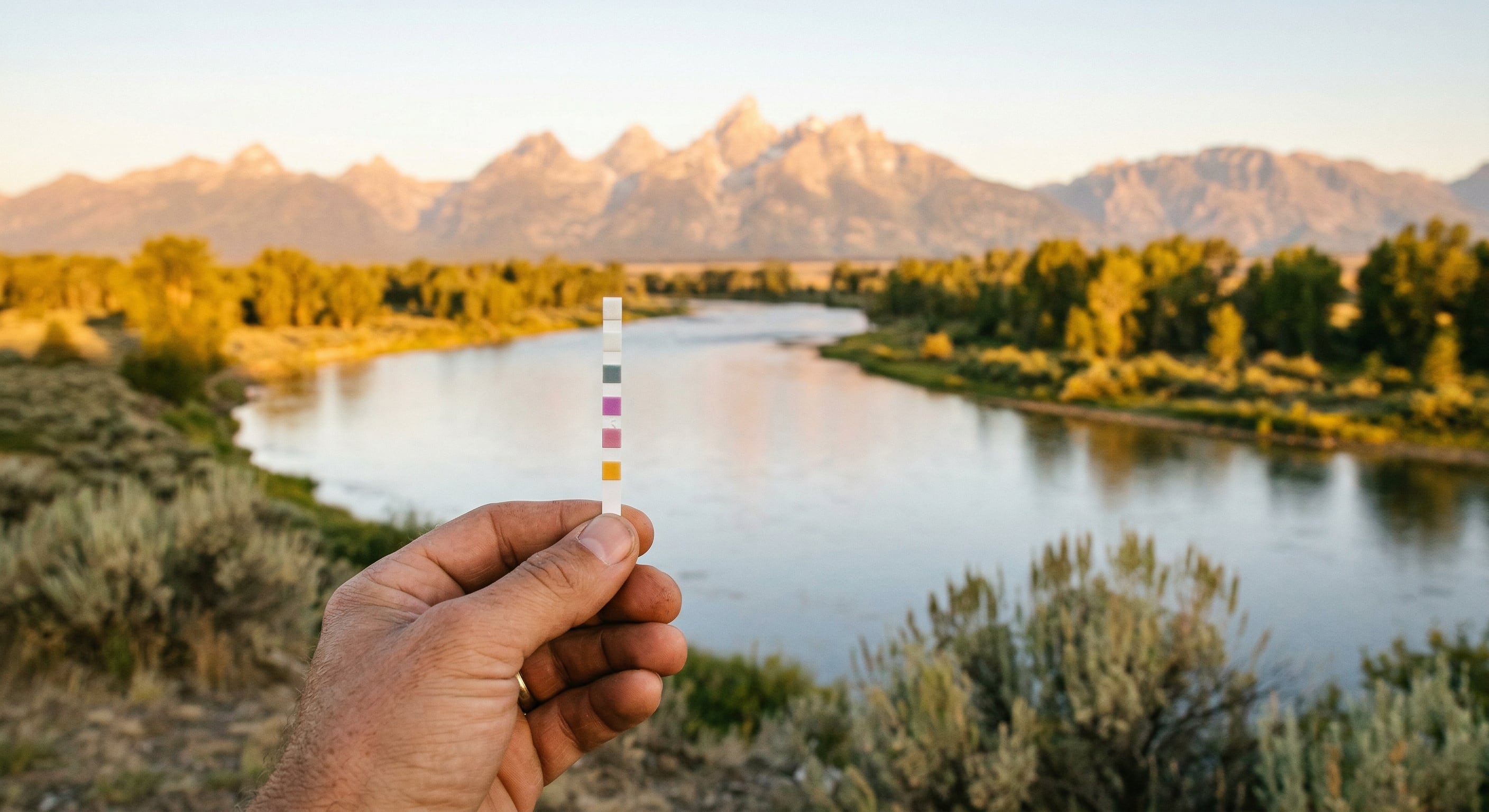
Idaho Falls city water measures approximately 14 grains per gallon according to the City of Idaho Falls water quality report. That's classified as "very hard" — and well water in the area often tests significantly higher.
If you just moved to Idaho Falls, or you've been here a while and noticed white scale creeping across your faucets, you're not imagining things. The water here is some of the hardest in the country. Here's what the numbers actually mean and why it matters for your home.
What 14 Grains Per Gallon Actually Means
Water hardness is measured in grains per gallon (GPG). The Water Quality Association — the industry's standard-setting body — classifies anything above 10.5 GPG as "very hard." Idaho Falls sits at 14 GPG on city water, which puts it well into that top category.
To put that in perspective: a family of four at 14 GPG is pushing roughly 210 pounds of dissolved calcium and magnesium through their home's plumbing every year. That's the mineral equivalent of dumping a bag of rock salt into your pipes every couple of weeks.
| Location | Hardness (GPG) | Classification |
|---|---|---|
| Florida (average) | 2–5 | Slightly hard |
| U.S. national average | ~5 | Moderately hard |
| Boise, ID | 6–7 | Hard |
| Idaho Falls, ID (city water) | 14 | Very hard |
| Idaho statewide range | 10–25 | Hard to extremely hard |
| SE Idaho well water (tested) | Up to 42–80+ | Extremely hard |
Idaho Falls water is nearly three times harder than the national average. And that's just on city water — if you're on a well, the picture gets worse.
Why Idaho Falls Water Is So Hard
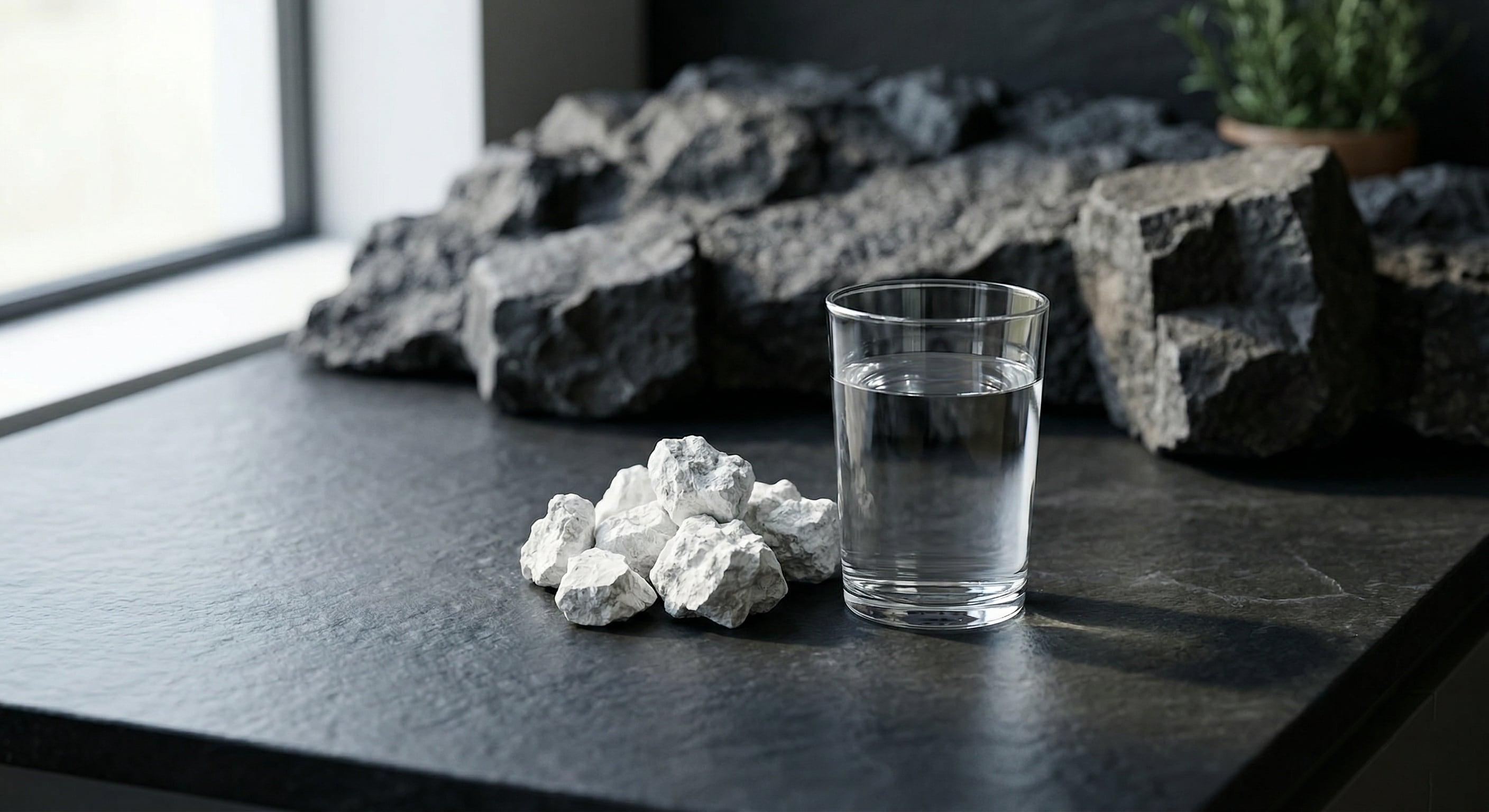
It comes down to geology. Idaho Falls draws its water from the Eastern Snake River Plain Aquifer. As groundwater moves through the region's massive basalt rock formations and limestone deposits — laid down millions of years ago — it dissolves enormous amounts of calcium, magnesium, and other minerals along the way.
This is the same mineral-rich geology that gives Idaho its gold, silver, copper, and phosphorus mines. The minerals that make the mountains valuable are the same ones making your water hard.
What About Well Water?
If you're on a well in Southeast Idaho, your water is almost certainly harder than city water — and possibly much harder. We've tested wells in the region at 42 GPG. The hardest we've measured was a well near a ski area that came in at 80 GPG. At that level, you could practically feel the minerals between your fingers.
Well water also varies house to house depending on depth, location, and what rock layers the water passes through. The only way to know your exact number is to test it.
Idaho statewide context
Idaho has some of the hardest water in the country. Most of the state's water falls between 10 and 25 grains per gallon, classified as "extremely hard" by the Water Quality Association. The Snake River Aquifer system that supplies much of Southeast Idaho is particularly mineral-heavy due to the volcanic basalt geology of the region.
What Hard Water Does to Your Home
At 14+ GPG, hard water isn't just an inconvenience — it's actively costing you money. Here's what it does over time:
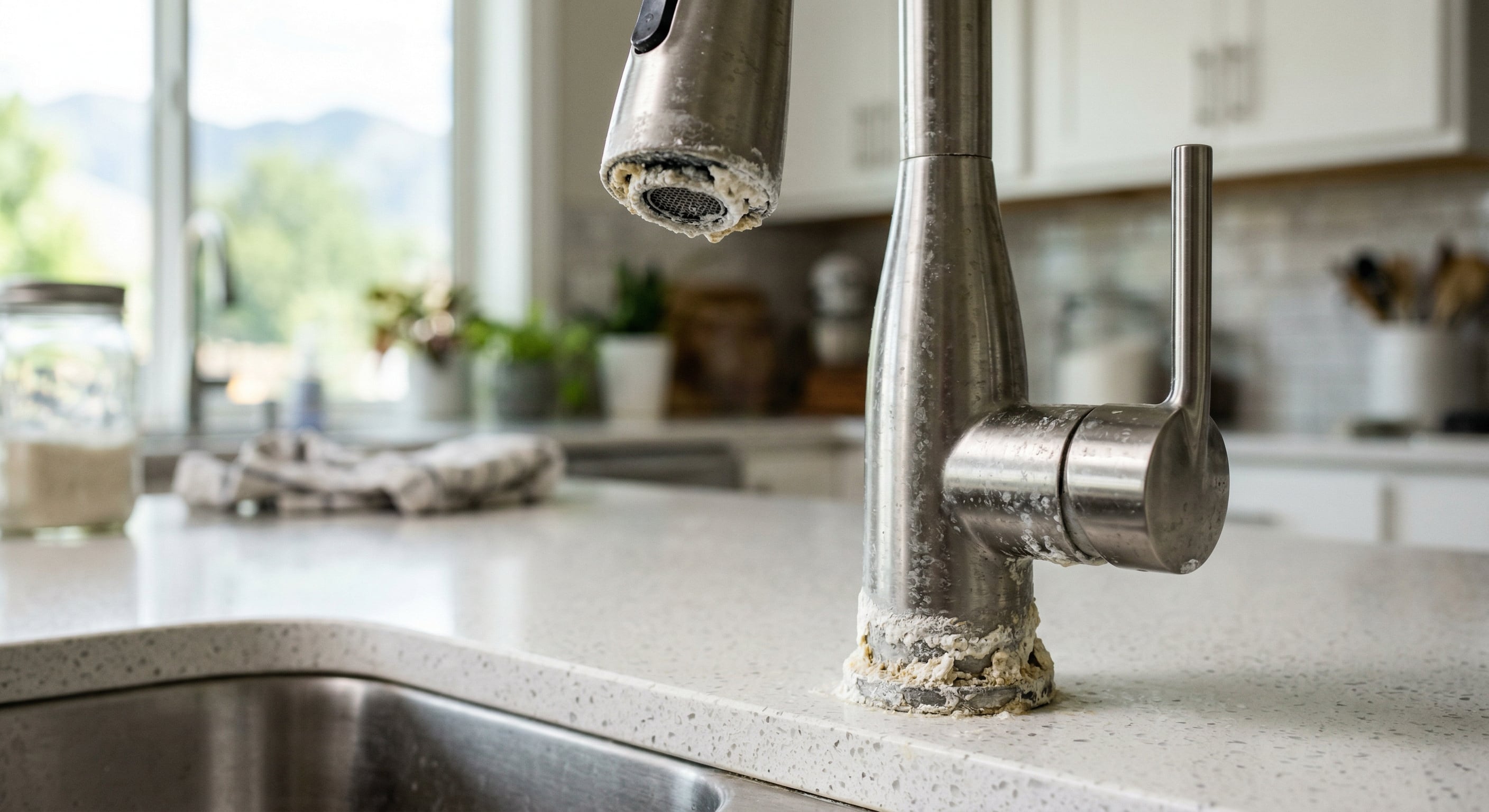
Scale buildup forms on faucets, showerheads, and inside pipes. It's that white, chalky crust you've probably already noticed. Over years, it restricts water flow and damages fixtures.
Appliance damage is the most expensive consequence. Hard water coats your water heater's heating element in mineral scale, forcing it to work up to 29% harder. That drives up your energy bill and can cut the heater's lifespan nearly in half. Dishwashers, washing machines, and ice makers take a similar beating.
Dry skin and dull hair happen because hard water minerals are left behind on your body after every shower. Many people in Idaho Falls don't realize their skin irritation or hair issues are water-related until they experience soft water for the first time.
Higher soap and detergent costs add up quietly. Hard water reduces sudsing, so you end up using 50–75% more shampoo, laundry detergent, and dish soap than you would with soft water.
Not Sure How Hard Your Water Is?
We test your water for free. No sales pitch, no obligation. We'll measure your exact hardness level and walk you through what it means for your home.
What You Can Do About It
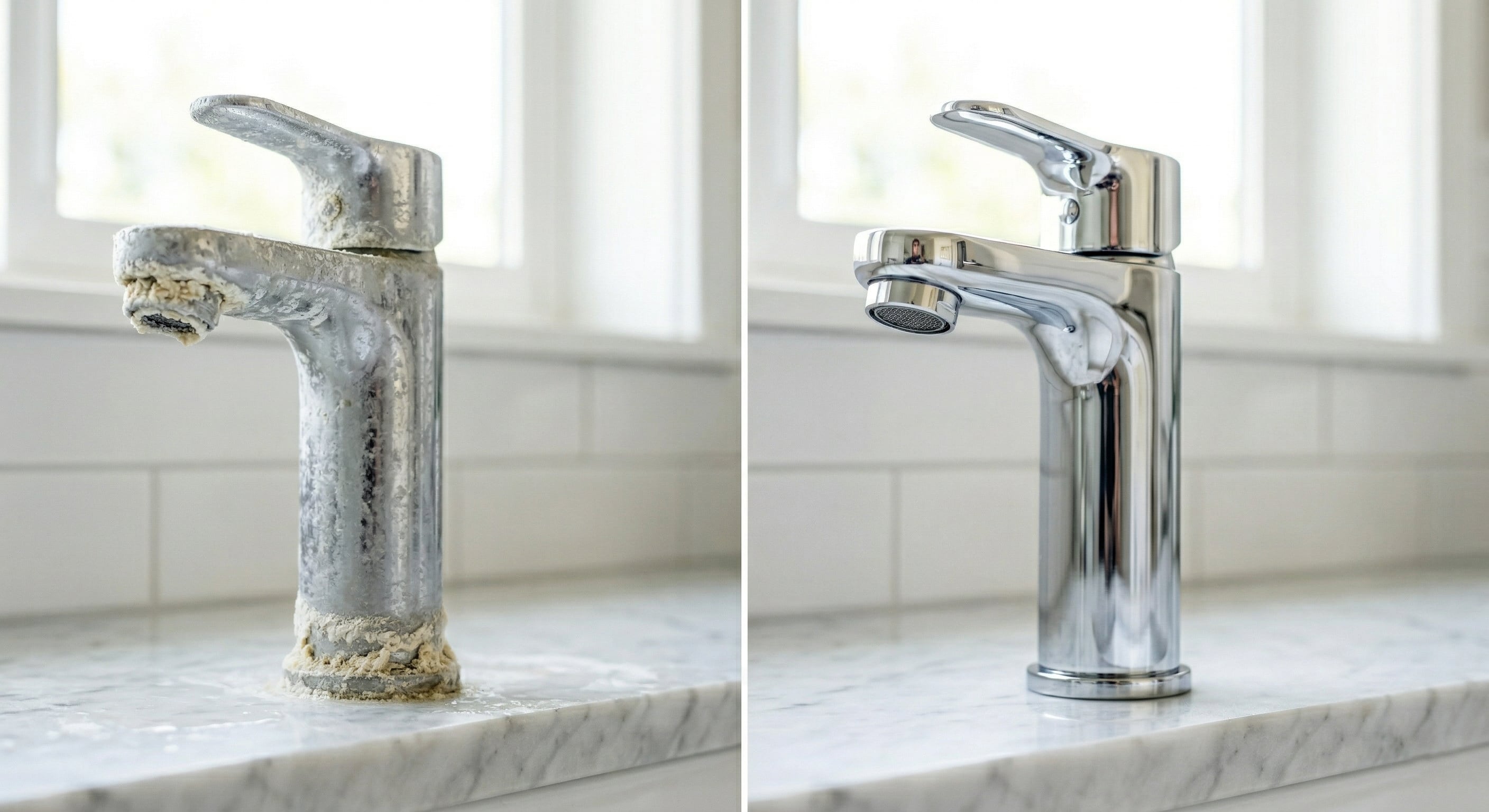
A water softener removes the calcium and magnesium that cause hardness before the water reaches your fixtures, appliances, and skin. For Idaho Falls water at 14+ GPG, you need a unit that's actually built to handle this level of hardness — not a generic big-box product designed for average U.S. conditions.
We install NuGen Fusion XT water softeners — American-made, NSF/ANSI 44 certified, with a lifetime warranty on the tank. They're sized specifically for the water conditions here in Southeast Idaho. Installation is $1,799 and includes everything: the unit, plumbing, programming, and 400 lbs of salt.
For drinking water, a reverse osmosis system goes a step further — removing approximately 98% of all dissolved solids from your tap water. Many of our customers pair a softener with RO for complete whole-home water treatment.
See what your hard water costs
Hard Water Cost Calculator
See what hard water is quietly costing your Idaho home each year.
Based on a $1,799 NuGen Fusion XT softener installed by a licensed plumber. Estimate only — your real numbers depend on your habits and appliances.
Want this number confirmed with a free in-home test? Chad will text you to set it up.
Want your exact hardness number? Chad tests your water free, at your home.
(208) 427-8540